How to Check If a Floor Is Level Before Installing Flooring
Before you lay any flooring, the subfloor has to pass a flatness test. For most floors that means no more than 3/16 inch of variation over a 10-foot span. Tile is tighter, at 1/8 inch over 10 feet under the ANSI A108.02 standard. Skip the check and the floor tells on you later: lippage in tile, gaps in hardwood, click-lock joints in LVP that separate a few months down the line. I have pulled up floors that went in over a bad subfloor, and it is never a small job.
- Tile requires 1/8 inch per 10 feet flatness (ANSI A108.02); LVP, laminate, and hardwood allow 3/16 inch per 10 feet.
- You're checking for flatness, not perfect level. A uniformly sloped floor is fine; humps and dips are not.
- Always work from the highest point. You can only add material, not easily remove it from a concrete slab.
- A grid of phone measurements in mm/m mode documents every high and low spot before you call a contractor.
- Self-leveling compound handles low spots up to 1.5 inches; grinding handles high spots.
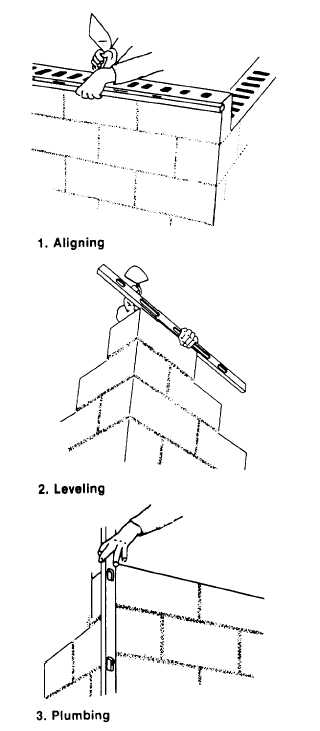
Why floor level matters before installation
A subfloor that is out of tolerance causes every kind of flooring to fail. Lippage, where one tile edge sits higher than the tile next to it, is the defect I see most on tile jobs, and a bad subfloor is nearly always behind it. Even a 1/4-inch hump under a 12-inch tile makes the whole row rock.
The way it fails changes with the flooring, but the cause is the same.
- Tile: High spots crack grout and create lippage. Low spots let tiles flex under load and break the adhesive bond.
- Hardwood: High spots make boards squeak as they flex across the peak. Low spots leave unsupported spans that crack over time.
- LVP and laminate: Click-lock joints need a flat plane. Variation stresses the locking tab until it separates. Most warranties require the subfloor to meet the 3/16-inch standard.
- Sheet vinyl: Any bump or dip telegraphs through the thin material and shows within a few weeks.
Skipping the step is expensive. Pulling up a tiled floor to fix the subfloor underneath means demolition, disposal, and a full re-lay, and it runs into thousands on any real room. The flatness check takes an afternoon and a piece of chalk.
Industry standards for subfloor flatness
The flatness you need depends on the flooring, not on one building code. Tile is the strictest. The ANSI A108.02 standard puts the tile benchmark at 1/8 inch per 10-foot span, and tightens to 1/16 inch per 24 inches for large-format tiles with any edge over 15 inches. Every other flooring is more forgiving than tile.
| Flooring Type | Flatness Standard | Equivalent Slope | Key Source |
|---|---|---|---|
| Ceramic / Porcelain Tile | 1/8″ per 10 ft | ~1.0 mm/m | ANSI A108.02 |
| Large-Format Tile (>15″ edge) | 1/16″ per 24″ span | ~2.6 mm/m | ANSI A108.02 |
| Solid / Engineered Hardwood | 3/16″ per 10 ft | ~1.6 mm/m | NWFA Installation Guidelines |
| LVP / Luxury Vinyl Plank | 3/16″ per 10 ft | ~1.6 mm/m | Manufacturer specs (LifeProof, Shaw) |
| Laminate | 3/16″ per 10 ft | ~1.6 mm/m | AC Rating body / manufacturer specs |
| Sheet Vinyl | 3/16″ per 10 ft | ~1.6 mm/m | Armstrong / Congoleum installation guides |
Tools you need to check floor level
You do not need expensive gear to check a subfloor properly. The old way is to drag a 6 to 10 foot straightedge across the floor and look for gaps. A phone with a spirit level app gives you a slope reading at every grid point instead, which is faster and gives you a record you can hand to a contractor. For big rooms over about 400 square feet, a rotary laser adds a fixed reference across the whole space.
- Phone with spiritlevel.pro: No download. Switch to the mm/m slope unit and you can read against flooring specs directly. Works offline once loaded.
- 6 to 10 foot straightedge or long level: A metal drywall knife or a 6-foot level does the job. Slide it across and look for rocking or daylight under the edge.
- Chalk or pencil: Mark high spots one colour, low spots another, and write the reading next to each.
- Tape measure: For laying out the grid at 2-foot intervals.
- Rotary laser level (optional): For rooms over 400 sq ft, or slabs with a lot of relief, a laser gives you one reference plane for the whole room. A basic one is not much money.
Step 1: Create a measurement grid
A grid turns "is the floor level?" into a map of every bad spot. Mark a 2-foot by 2-foot grid across the room in chalk. A 12x12-foot room gives you about 35 intersections. Each one is a reading. Put your points closer together near walls, doorways, and transitions, because that is where the variation bites.
Why 2-foot spacing? The standards talk about a 10-foot span, but defects sit local. A 2-foot grid catches any hump or dip wider than about 18 inches. Something narrower, like a popped nail, a filled crack, or a patch of old adhesive, can hide between the points. If a stretch of subfloor looks rough, drop in extra readings around it.
Step 2: How to check floor level with your phone
Your phone's accelerometer reads tilt to within about a tenth of a degree once calibrated, which is roughly 1.7 mm/m. That is fine enough to catch anything near the tile threshold. Open spiritlevel.pro in your browser, grant sensor permissions, and switch the slope unit to mm/m by tapping the unit chip in the tolerance row. mm/m is what floor installers work in because it maps straight onto the numbers in flooring specs.
-
Calibrate the app first.
Put the phone flat on a surface you trust, a glass shelf or a countertop is better than the floor itself. Tap Calibrate. That zeros out the small offset most phone sensors ship with. Takes five seconds and it is the difference between a reading you can act on and one you cannot.
-
Set slope units to mm/m.
Tap the unit chip next to the tolerance preset and cycle to mm/m. Now the readings line up with the manufacturer specs and you skip the conversion math.
-
Set a tolerance preset.
For tile, use the Tile preset (±0.2°). For hardwood or LVP, use General (±0.5°). The proximity audio beeps as you get close and holds a steady tone at level, so you can hear a pass or fail without watching the screen.
-
Measure each grid point.
Set the phone flat at each chalk intersection. Give it a couple of seconds to settle, then write the mm/m value on the floor next to the point. Anything above 1.0 mm/m in a tile area needs a second look.
-
Log readings in the journal with a photo.
The Pro journal saves each reading with a GPS tag and a photo of the spot. That gives you a contractor-ready record: every measurement and location, time-stamped and in order. If you are getting someone in to prep the floor, this report saves them a site visit.
spiritlevel.pro works in your phone browser with no download. Switch to mm/m mode, use the Tile tolerance preset, and log every grid reading with photo proof in the journal. Pro features from $10 one-time.
Open spiritlevel.proStep 3: How to find high points and low points
Finding the high point is the step that matters, because it sets the reference for everything else. You can only add material to a floor. Grinding a slab is possible but slow and dusty, and grinding a wood subfloor is usually not worth it. Go through your chalk readings and circle the highest mm/m value in the room. That spot decides how high every low point has to come up.
Here is the part most guides leave out. Self-leveling compound flows to fill the lows relative to where you pour it. Miss the true high point and you pour compound that brings the lows up to mid-room height while the real high spot still stands proud of everything. The floor looks better in patches and reads worse overall.
Mark high spots in red chalk and low spots in blue, then work outward from the highest point. For tile, any spot more than 3 mm/m below the high point needs fill. For hardwood or LVP, more than 5 mm/m below. If the whole floor slopes one way with no local humps or dips, you may not need any fill at all.
Step 4: What to do when the floor fails the flatness test
Most subfloor problems come down to a low spot, a high spot, or a rough transition. Each has its own fix. Self-leveling underlayment handles the lows, from a feather edge up to about 1.5 inches deep in a single pour. High spots are a different job.
Fixing low spots
Self-leveling compound (SLC) is the standard fix for low spots on both concrete and wood. Products like Ardex K-15 or Mapei Ultraplan flow flat under gravity and cure hard enough to bond to in a few hours. Depth varies by product, but most take 1/8 inch to 1.5 inches per lift. For deeper fills, pour in stages and let each layer cure first.
On wood, fasten any loose boards and drive screws every 6 inches across the whole field before you pour. SLC cannot bridge a flexing surface. If the board moves, the compound cracks. Roll on a latex bonding primer first too, or the porous wood pulls the water out of the compound too fast and you get a poor bond. Primer dries in about half an hour.
Fixing high spots
Grind high spots on concrete with an angle grinder and a diamond cup wheel. You can rent one by the day cheaply from any equipment yard. Work in small passes and re-measure after each one. On wood, a high spot is usually a popped nail or a swollen OSB seam. Punch the nail flush, or knock the seam down with a belt sander, and re-check with the phone after every pass.
Featheredge transitions
Where a patch meets the floor around it, taper the edge to nothing over 12 to 18 inches. A hard edge under tile or LVP becomes a stress point that shows later. For transitions thinner than 1/4 inch, use a flexible floor-patching compound rather than SLC, because a thin skim of SLC cracks under point loads.
Checking level vs checking flatness
This one trips up plenty of DIYers, and a few installers too. Level means the floor sits at a constant height against gravity. Flat means the surface has no peaks or valleys, whether it runs at an angle or not. Most flooring warranties and installation standards ask for flatness, not level, and the two are separate things.
I have tiled a bathroom where the whole floor sloped 1/4 inch per foot toward the drain, exactly as it should, and it went down without trouble. I have also seen floors that read close to 0° on a level and still failed ANSI A108.02, because there was inches of relief across the room from old pours and patches. The level test passed. The flatness test did not.
A spirit level tells you if the floor is level. Comparing readings across a grid tells you if it is flat. You need the flatness check before laying flooring. You need the level check before you set appliances, cabinets, or anything that has to sit plumb on top of it.
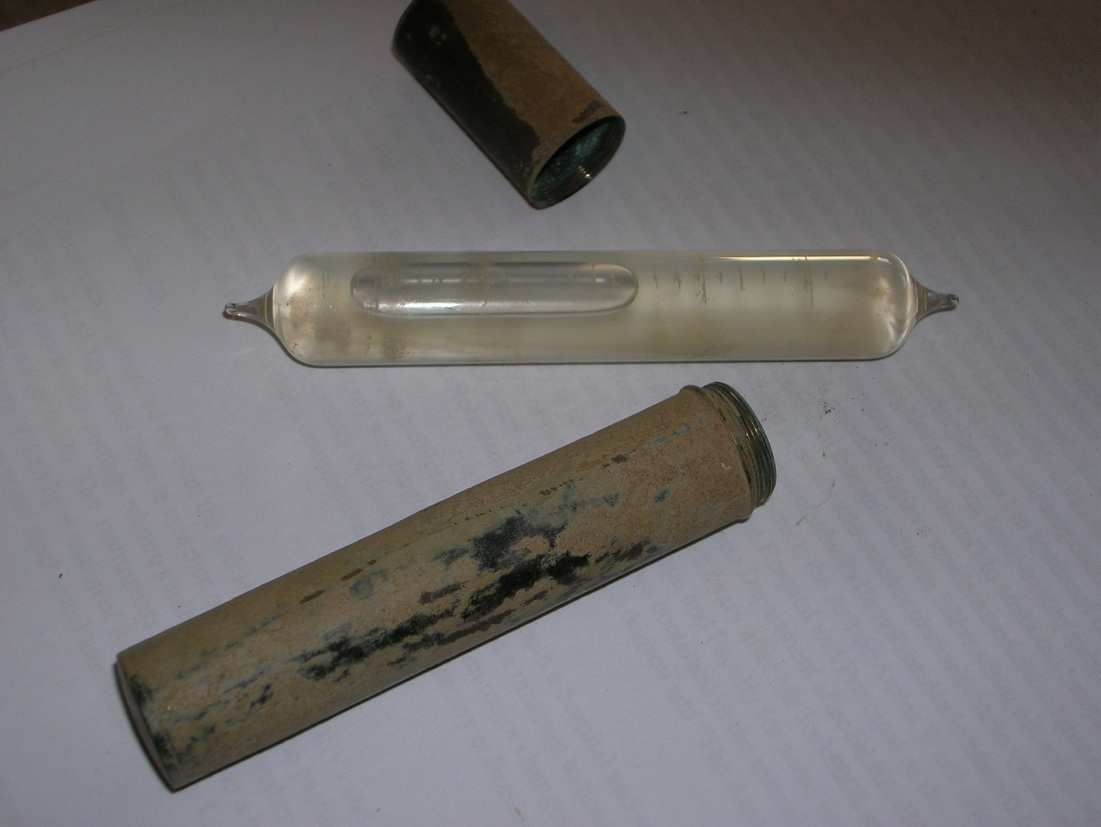
Using the Target Angle feature for drainage slopes
Some floors are meant to slope. Wet rooms, shower pans, garage slabs, and utility rooms all need a set drainage pitch. The usual shower floor slope is 1/4 inch per foot, which is about 1.2° or 20 mm/m. Checking that slope is where the Target Angle feature earns its keep.
Set Target Angle to the pitch you want, say 0.3° for a gentle run on a laundry room floor or 1.2° for a shower pan. After that the bubble, the proximity audio, and the level detection all measure against that target instead of zero. You are checking that the floor matches its intended slope, not that it is dead flat.
It is quick. Set the target, take four readings across the pan, and you know whether the slope is right, instead of shimming a 4-foot level and measuring the gap under one end with a tape. Log each reading with a photo and you have something to show the inspector.
Frequently asked questions
What is the acceptable floor level tolerance for tile?
The ANSI A108.02 standard allows no more than 1/8 inch of variation over a 10-foot span for ceramic and porcelain tile. For large-format tiles with any edge over 15 inches, it tightens to 1/16 inch per 24-inch span. Go past that and you get lippage, where one tile edge stands proud of the next. It is a trip hazard and it looks bad even after grouting.
How do I check floor level without a long straightedge?
Open spiritlevel.pro and switch the slope unit to mm/m. Walk a grid of readings across the floor and chalk each value next to the point. Below 1.0 mm/m passes the tile threshold. Below 1.6 mm/m passes for hardwood and LVP. You do not need a straightedge, because the phone gives you the slope at each point, which a straightedge cannot do on its own.
What is the difference between a level floor and a flat floor?
Level means horizontal against gravity. Flat means no peaks or valleys, whatever the slope. Flooring needs flatness, not perfect level. An evenly sloped floor is fine for most flooring. What fails the test is a local hump or dip within a span. Self-leveling compound fills the dips and grinding takes down the humps. ANSI A108.02 is a flatness spec, not a levelness one.
Can I use self-leveling compound over a wood subfloor?
Yes, but the subfloor has to be rigid first. SLC cannot bridge flex, so any board movement cracks the cured compound. Fasten every loose board, drive screws every 6 inches, and roll on a latex bonding primer before you pour. Most SLC products take up to 1.5 inches per lift on wood. For deeper fills, pour in stages and let each layer cure, usually a few hours, before the next.
Measure first, install once
Checking flatness before you install is one of the few prep steps that clearly pays for itself. Catch a bad floor before the materials arrive and you save the whole re-lay: demolition, disposal, and doing it all again. The check itself costs an afternoon and a piece of chalk.
The grid approach, phone in mm/m mode, 2-foot spacing, readings logged with photos, gives you a map of the floor that no straightedge drag can match. You know where to pour, where to grind, and where you are already in spec. That map is a hand-off document if you use a contractor, a warranty record if you install it yourself, and something to check back on if a problem turns up years later.
Check the flatness. Fix what fails. Then install. In that order, every time.